Rooms That Tell Stories, Built From the Past
Start With the Story, Not the Sofa
Define the arc
Write two sentences about the change you seek: from chaotic to calm, from forgotten to celebrated. Identify beginning, tension, and resolution. This clarity guides which reclaimed pieces to highlight, where to place them, and how to balance nostalgia with livable flow every day.
Choose a protagonist piece
Select one reclaimed anchor with presence—perhaps a barn door with weathered striations or a metal cabinet stamped with dates. Let its origin inform finishes, hardware, and textiles, creating cohesion that feels discovered, not staged, and keeps the room’s narrative grounded in authenticity.
Map supporting characters
List textures, colors, and small salvaged accents that echo your anchor without competing. Window latches, picture rails, and rescued tiles can act as subtle callbacks, adding rhythm and continuity. Curate sparingly, leaving negative space so the story breathes and moments feel intentional.
Where to look ethically
Verifying provenance and safety
Negotiating and transporting respectfully
Material Alchemy: Turning Wear Into Meaning
Patina as punctuation
Color stories from found finishes
Layering textures for depth
Craft and Construction Without Compromise
Lighting scenes and shadow
Acoustic cues
Aromatic memory
Real Rooms, Real Journeys
Harbor loft reimagined
In a tiny city loft, salvaged pier planks became a platform bed, scarred like nautical charts. A rusted cleat became a robe hook. The couple sleep soundly knowing tides once polished their floor—an intimate connection to endurance, travel, and early morning light.
Grandmother’s table, modern kitchen
A battered farmhouse table, repaired with butterfly keys, anchors meals and homework. Scratches map celebrations and quiet nights. New quartz counters recede respectfully, while reclaimed shelves display recipe cards. The room speaks continuity, reminding everyone that nourishment includes memory, laughter, and well-earned imperfections.
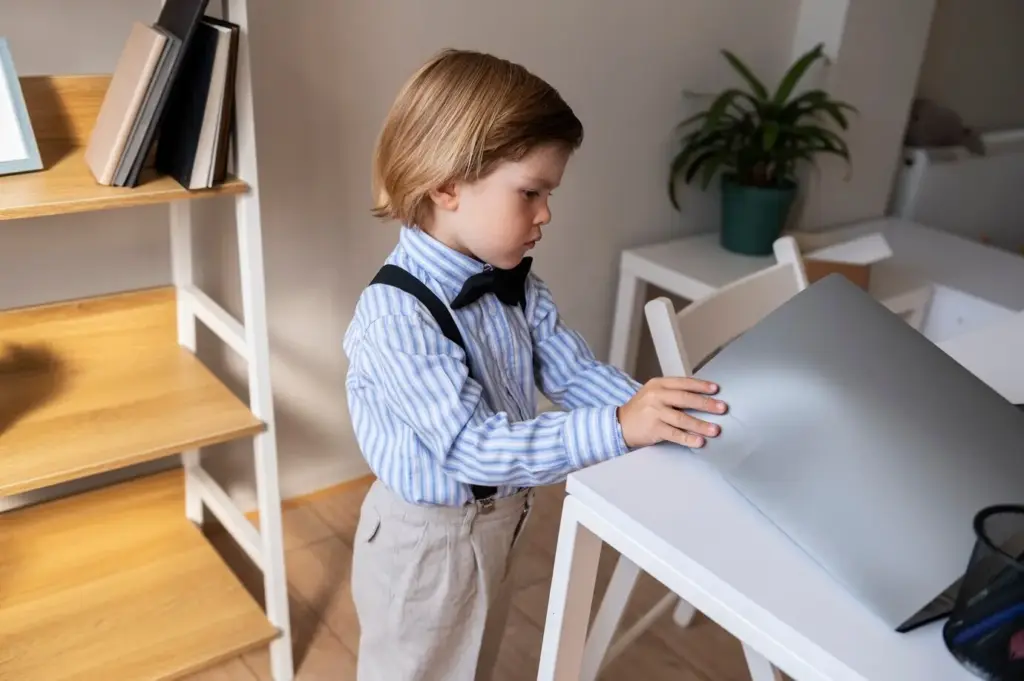
Children’s explorer nook
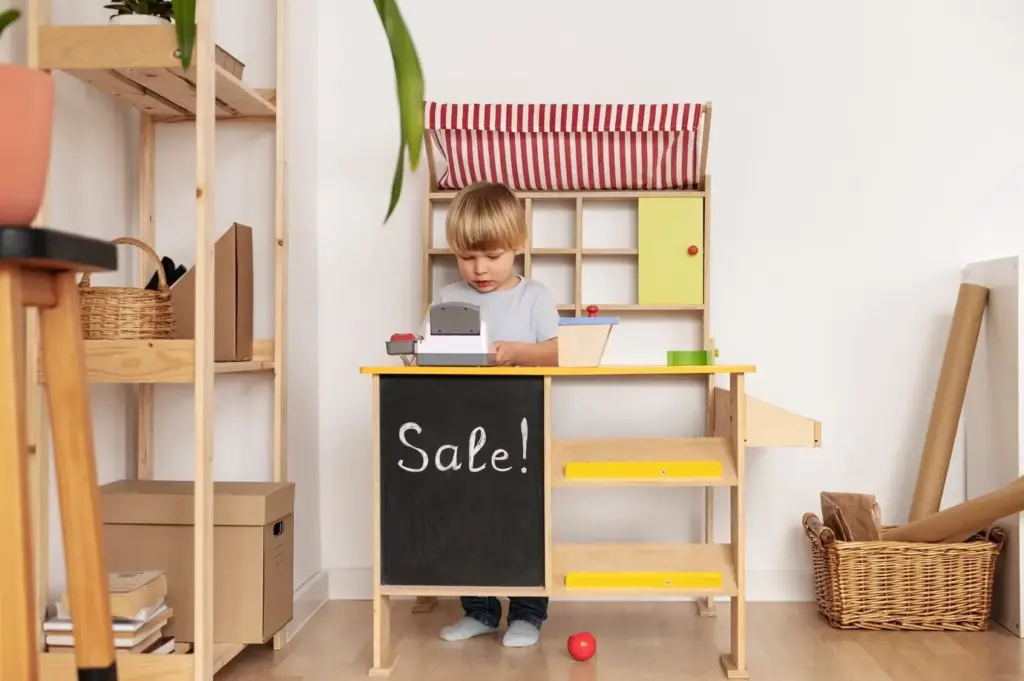
Shipping crate panels form a reading cabin with porthole cutouts and braided rope pulls. A vintage map ceiling invites questions. Parents report longer story times and gentler bedtimes because the space whispers adventure safely contained, where curiosity is applauded and imagination has room to roam.