Restore with Care: Non-Toxic DIY That Honors Every Piece's Story

Today we dive into DIY non-toxic furniture restoration that preserves object histories, blending safe materials, gentle methods, and genuine curiosity about where each piece has been. We will explore breathable finishes, reversible repairs, and research habits that reveal hidden provenance, ensuring health for your home and dignity for the objects you steward. Expect practical steps, heartfelt anecdotes, and science-backed guidance that make your workshop safer, your results more beautiful, and your respect for the past wonderfully tangible.

Understanding VOCs and Off-Gassing

Many conventional finishes release volatile organic compounds that evaporate into the air for weeks, sometimes months. These gases can cause headaches, eye irritation, and lingering odors that overshadow delicate grain. Selecting low- or zero-VOC alternatives, using proper ventilation, and curing finishes fully can drastically reduce exposure. The payoff is a calmer workshop, a healthier household, and a restoration that lets the wood’s true scent and history emerge without the chemical fog.

Reading Labels and Certifications

Product labels often hide crucial details behind marketing language, so look for specifics: VOC grams per liter, solvent types, and safety data sheets. Independent certifications, such as GREENGUARD Gold or EU Ecolabel, can help, yet they are not substitutes for careful reading. Cross-reference ingredients, check manufacturer transparency, and remember that simpler formulas often equal safer outcomes. Your diligence translates directly into cleaner air, fewer headaches, and furniture finishes that age gracefully rather than off-gassing endlessly.

Protecting Family, Pets, and Restorers

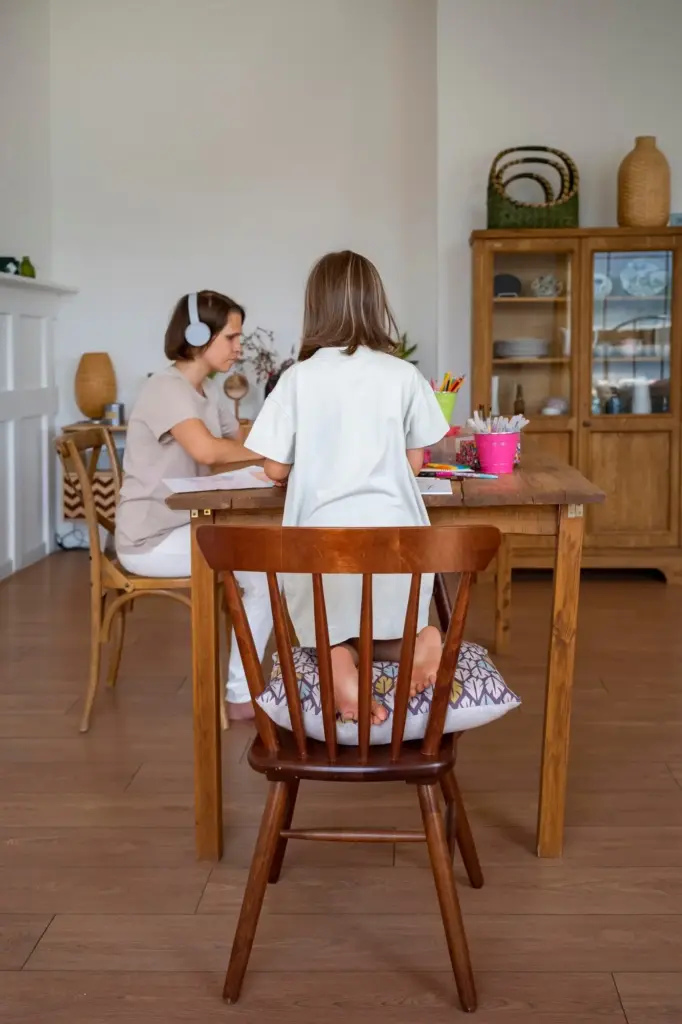
Minimizing hazard starts with choosing safer materials, but it also includes habits like wet-sanding to reduce dust, wearing well-fitted masks when needed, and cleaning surfaces thoroughly. Pets and children are especially sensitive to fumes and residues near the floor. Keep curing pieces in ventilated areas, store products securely, and dispose of rags responsibly to avoid spontaneous combustion. These small practices build a culture of care where your craft thrives and everyone at home breathes easier.

Honoring Provenance and Patina

Objects carry stories through dents, repairs, and finish wear that trace decades of ordinary life. Preserving these traces respects the people who lived alongside them and prevents erasing meaningful evidence. Instead of striving for a showroom shine, learn to read clues in tool marks, drawer joints, and fasteners that reveal time and place. A thoughtful hand can stabilize weak areas, revive dryness, and celebrate honest age, leaving future caretakers richer in context, wonder, and gratitude.

Gentle Cleaning and Rejuvenation Methods

Start with the least invasive approach and only add intensity if necessary. Dust carefully, then test mild cleaners in discreet spots. Old finishes can soften or blush if drenched, so work slowly with barely damp cloths. Soap flakes, distilled water, and patience rival harsh agents without stripping character. When grime yields, a nourishing oil or wax may revive luster without glossy glare. Your touch should feel like conversation, coaxing clarity while leaving the piece’s earned age intact.

Repair Techniques That Respect Integrity

A repair should be strong, discreet, and reversible whenever feasible. Traditional hide glue bonds well to aged joints and can be softened with gentle heat or moisture if future conservation requires changes. Mechanical fixes like dowels, pegs, or butterfly keys respect wood movement better than rigid patches. Where losses exist, sympathetic infills color-matched to surrounding material restore continuity without shouting for attention. The moral is simple: lend support, avoid bravado, and keep options open for tomorrow’s caretakers.

Finishes That Breathe and Age Gracefully

Some finishes trap wood; others collaborate with it. Shellac, derived from the lac insect, brings warmth, clarity, and repairability. Natural waxes protect without glare, encouraging a touchable surface that evolves. Plant oils nourish fibers and deepen contrast while remaining modest. Milk paint, with casein binders, yields velvety color that suits utilitarian pieces. Modern waterborne products offer low odor and quick curing. Choose finishes that welcome future adjustments, respect original work, and leave room for history to speak.

Sourcing, Tools, and Workspace Setup

Community, Sharing, and Stewardship

Latekeroperananuto
Privacy Overview

This website uses cookies so that we can provide you with the best user experience possible. Cookie information is stored in your browser and performs functions such as recognising you when you return to our website and helping our team to understand which sections of the website you find most interesting and useful.